
Performance Systems Architecture
Train and fuel to the standard.
Test prep, shift-work fueling, and coaching for officers and soldiers, plus civilians who train the same way.
Founder-led by Joe Dzubak, MS, RDN, CSCS, TSAC-F, CISSN, service-disabled U.S. Army veteran. One practitioner connects performance nutrition, strength and conditioning, military human performance, analytics, and systems design.
Assess · Fuel · Train · Recover · Adapt — the VROS loop, below
- Credentials
- MS · RDN · CSCS · TSAC-F · CISSN
- Background
- Service-disabled Army veteran
- Operating doctrine
- Evidence before theatrics
- Delivery model
- Founder-led, never handed off
Three execution paths
One company. Three ways to build performance.
Start with who needs the system: one person, an organization, or the technology layer connecting information to action. Joe leads every path and brings in specialized partners only when the scope requires them.
Path 01 / Individuals
Human performance
Integrated training, performance nutrition, and readiness coaching built around the demands of the person doing the work.
Explore individual performancePath 02 / Organizations
Consulting
Performance systems audits, operating standards, nutrition architecture, education, and decision infrastructure for teams and institutions.
Explore organization consultingPath 03 / Technology
AI & systems
Human-led dashboards, analytics, automation, and knowledge workflows that make performance information easier to use without outsourcing judgment.
Explore technology systemsPerformance Systems Architecture
Performance runs as one connected system.
Training, nutrition, recovery, data, leadership, and technology only create value when they support the same operational demand. Vaux Corps works across those boundaries so the plan, workflow, and measurement model reinforce one another.
See the Vaux method
The VROS loop
One loop turns readiness data into daily decisions.
Every engagement — coaching, consulting, or technology — runs the same operating loop. The deliverable is a system that keeps running after the engagement ends.
Explore the full method →Assess · Fuel · Train · Recover · Adapt
01
Diagnose the demand
What must the person or organization be ready to do?
02
Design the architecture
What standards, decisions, workflows, and tools support that demand?
03
Execute under constraint
Who acts, when do they act, and what must work under real constraints?
04
Measure the feedback
What signal shows whether the system is improving performance?
Founder-led work
Practical systems, scoped by the person responsible for the work.
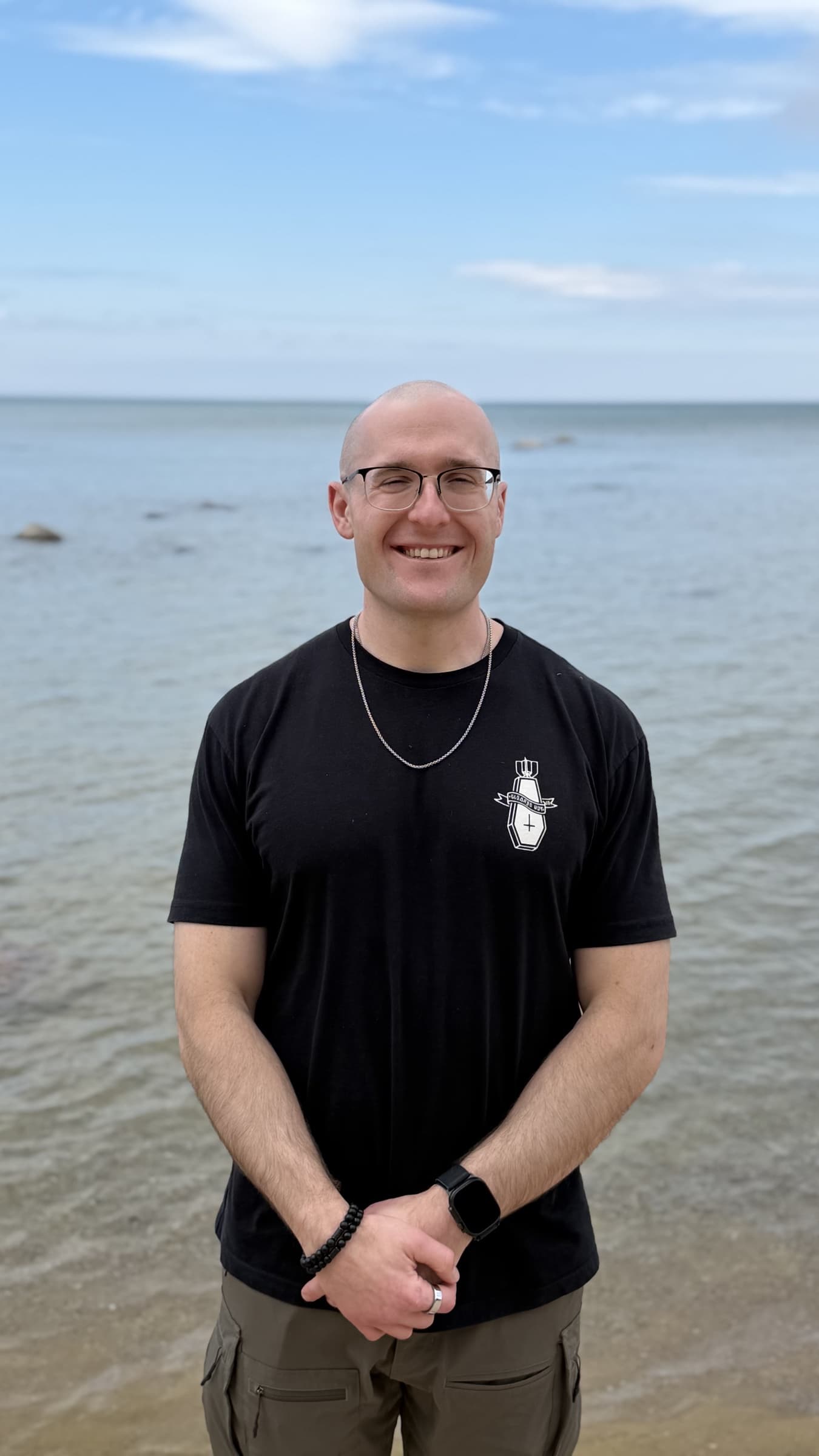
Vaux Corps is led by Joe Dzubak, a service-disabled Army veteran, Registered Dietitian, strength coach, and performance systems practitioner. Every engagement is scoped and led by Joe — not handed to a junior delivery team.
- MS
- RDN
- CSCS
- TSAC-F
- CISSN
Value ladder
Start at the level of support the problem actually needs.
Not every problem needs a consulting engagement. Use the lowest level that can produce the outcome, then move up only when scope, complexity, or implementation demands it.
01 / Start free
Browse free resources →Scorecards and field notes
Use a readiness assessment or read Joe’s evidence-to-practice analysis before making a purchase.
02 / Self-directed
Browse the shop →Guides, templates, and programs
Buy a focused tool when the problem is clear and you can execute the work yourself.
03 / Direct support
Review individual options →Consults and coaching
Get an expert assessment, a 30-day plan, or ongoing individual performance coaching.
04 / Built with you
Review consulting options →Consulting and systems architecture
Diagnose and build the performance operating system around a team, department, or organization.
05 / Enterprise
Discuss an enterprise scope →Integrated performance infrastructure
Combine advisory, technology, implementation, and measurement across a larger operating environment.
Evidence into practice
Read the thinking behind the work.
Substack · Aug 20, 2026
An H2F Team's First Job Is Sales
The Army copied collegiate staffing without collegiate demand. Buy-in on a performance team is two different sales, one to soldiers and one to command.
Read on SubstackSubstack · Jul 23, 2026
Building the Next H2F Before the Model Hardens: An Implementation Blueprint for Human Performance
An implementation blueprint for building a human-performance system before the current model becomes harder to change.
Read on SubstackSubstack · Jul 21, 2026
No Time to Get Better: The Innovation Gap Inside H2F
Why a system built to sustain daily work can still fail to create space for learning, adaptation, and better decisions.
Read on SubstackFree starting point
Find the readiness constraint before adding more work.
Five questions across Assess, Fuel, Train, Recover, and Adapt. Receive a scored report with your primary bottleneck.
Vaux Field Notes
One useful idea at a time.
Occasional notes with a practical protocol, decision tool, or evidence-to-practice breakdown. No fixed content schedule.
Vaux Field Notes
Get the useful part in your inbox.
Practical notes on readiness, tactical nutrition, coaching, and the systems that turn data into a decision. Subscribe through Substack; unsubscribe there at any time.
Subscribe to Field Notes ↗Next action